
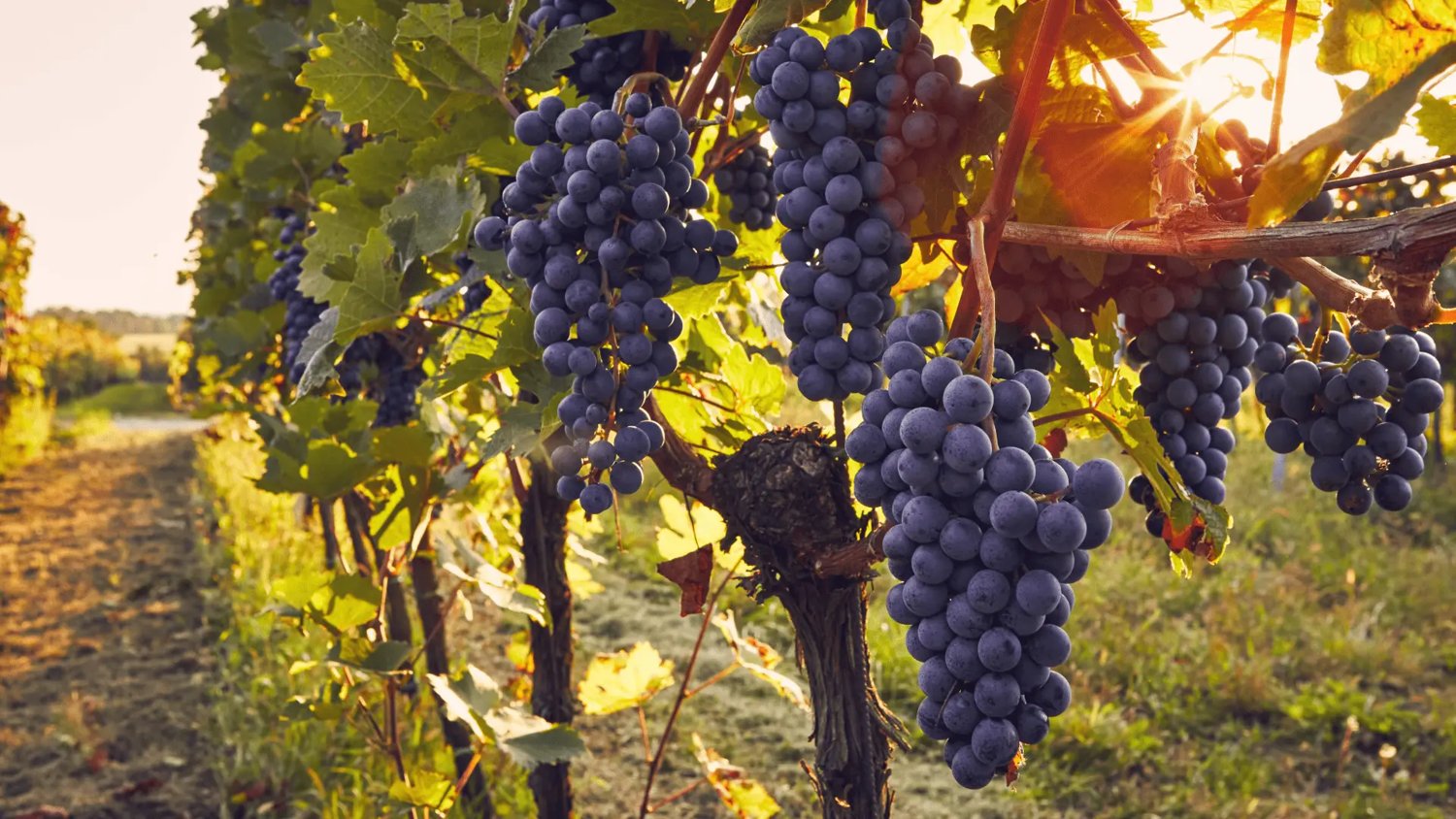
Every autumn, the vineyards across Tuscany shift into their busiest, most alive period of the year. The grape harvest Tuscany is famous for (locally called the “vendemmia”) is when months of quiet growing suddenly turn into weeks of picking, sorting, and pressing. If you’re planning a trip during the Tuscany harvest season, here’s what actually happens, what you can expect to see, and how to experience it without getting in the way of the real work.
When is the grape harvest in Tuscany
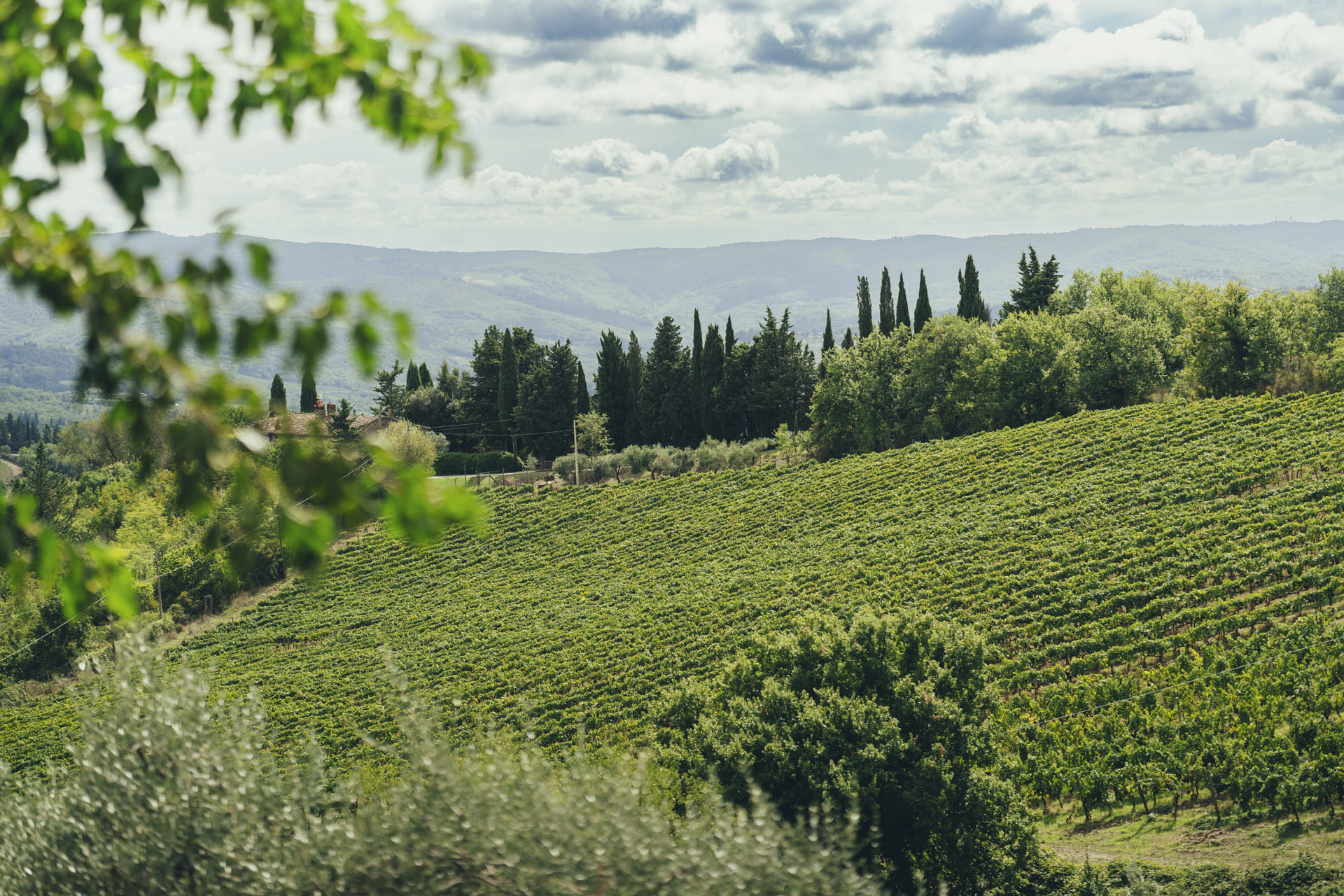
The vendemmia Tuscany producers rely on generally takes place between late August and October, though the exact timing shifts every year depending on the growing season, the weather, and the grape variety itself. White grape varieties are typically picked earlier, while Sangiovese, the backbone of many of Tuscany’s red wines, is usually harvested later, often into September or October, once it has reached full ripeness.
Because the exact start date depends on the actual conditions in the vineyard rather than a fixed calendar, it’s never possible to predict the harvest down to the day months in advance: wineries themselves often don’t lock in dates until just a couple of weeks before picking begins. For a broader look at how this season compares to the rest of the year, our guide to the best time to visit Tuscany covers spring, summer, autumn and winter side by side. If your dates fall in this window, our small group wine tours from Florence take you into Chianti while it happens.
What happens during the vendemmia
In the vineyard
Harvest work starts early in the morning, while temperatures are still cool, to protect the grapes’ quality before they’re brought in for pressing. Depending on the estate, grapes may be picked by hand or by machine, though many of Tuscany’s traditional and hillside vineyards are still harvested by hand, especially where the terrain is too steep or uneven for machinery.
At the winery
Once grapes arrive at the cellar, they’re sorted, destemmed, and crushed before beginning fermentation, the process where yeast converts the natural sugars in the grape juice into alcohol. This is the stage where the vintage, meaning the specific year’s wine, really begins to take shape, and it’s also when wineries are at their most involved and, understandably, their busiest.
What you can see and do
Visiting during harvest doesn’t usually mean picking grapes yourself (unless a specific winery offers that as part of an organized activity): most vineyards are working to a tight schedule and can’t turn every visit into manual labor. What you can expect instead is a much livelier atmosphere than at other times of year: tractors moving through the rows, crates of freshly picked grapes being unloaded, and the noticeable smell of fermentation starting to fill the air around the cellar.
It’s also one of the best times to talk with the people actually making the wine, since harvest is when winemakers are most immersed in the details of the current vintage and often happy to explain what’s happening in real time, rather than reciting a general tour script.
Wine tours during the Tuscany harvest season
A wine tour during the grape harvest looks a little different from a tour in spring or summer. Tastings and cellar visits still happen, but they’re often built around the harvest itself: seeing freshly picked grapes, sometimes catching a glimpse of pressing in progress, and tasting wines from previous vintages while the new one is literally being made a few steps away.
Because this is peak season for many wineries, places on tours at harvest time tend to fill up faster, so booking ahead matters more here than during quieter months. Our full day Chianti wine tour is one of the best ways to experience this atmosphere firsthand: three small, family run organic wineries in Chianti Classico, cellar and vineyard visits with the producers themselves, and a traditional Tuscan lunch at one of the estates. If you’re still weighing your options, our complete guide to Tuscany wine tours is a good place to start.
Book the Full Day Chianti Tour
Tips for visiting during the Tuscany harvest season
Book earlier than usual
Given how busy wineries are during the vendemmia, tours and tastings during this window benefit from being booked further in advance than at other times of year. Our guide on how to plan a wine tour in Tuscany walks through the planning steps in more detail.
Be flexible with exact dates
Since the harvest start date depends on weather and ripeness, treat any given week as a strong likelihood rather than a guarantee, and stay open to slight schedule shifts if you’re visiting a specific estate in the middle of the harvest.
Dress for real vineyard conditions
Mornings can still be cool even later in the season, and the ground in working vineyards is often uneven, so comfortable shoes and layers make the visit more enjoyable.
Learn the basics beforehand
Understanding a few key terms (fermentation, vintage, Sangiovese) makes it much easier to follow what a winemaker is explaining when you’re standing in the middle of an active harvest. Our guide to Sangiovese, Tuscany’s signature red grape is a quick way to get up to speed.
A season worth planning around
For anyone genuinely curious about how wine is made, rather than just how it tastes, the grape harvest is arguably the single best time to visit Tuscany’s wine country. It’s the one period when the entire process, from vine to cellar, is visibly, actively happening, rather than something described after the fact. If you want to go deeper into the wines themselves once you’ve seen how they’re made, our Tuscan wine guide is a good next stop.
Ready to see the vendemmia up close? Book our Full Day Chianti Tour and experience Tuscany’s harvest season the way it’s meant to be seen: in the vineyards, not just in the glass.
FAQ
When is the grape harvest in Tuscany?
The Tuscany grape harvest generally runs from late August through October, with white grapes typically picked earlier and Sangiovese, used in many Tuscan reds, usually harvested later in the season.
What is the vendemmia?
Vendemmia is the Italian word for the grape harvest: the period when ripe grapes are picked from the vineyard and brought to the winery to begin the winemaking process.
Can visitors pick grapes during harvest in Tuscany?
It depends on the winery. Some offer organized picking activities, but most estates are working to a tight schedule during harvest and cannot let every visitor join in.
Is it necessary to book wine tours in advance during harvest season?
Yes, harvest is peak season for many wineries, so booking ahead is recommended to secure a spot, especially for tours that include cellar visits during active pressing or fermentation.
Why is the Tuscany harvest season a good time to visit wine country?
Harvest is when the full winemaking process (picking, sorting, pressing, and fermentation) is visibly happening, offering a more dynamic and educational experience than a visit at any other time of year.
