
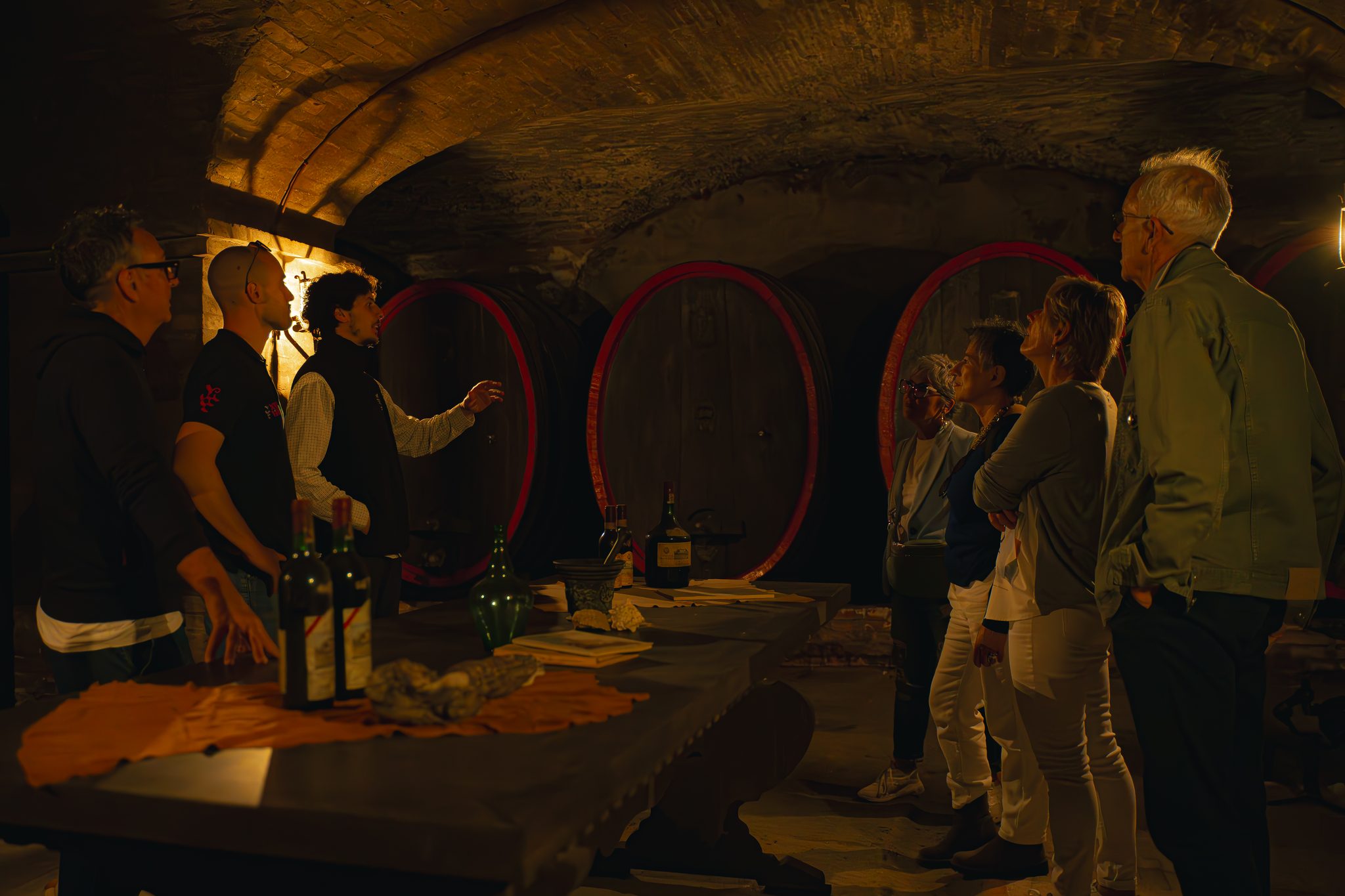
You don’t need a cellar the size of a wine shop to start a Tuscan wine collection worth being proud of. A handful of well chosen bottles, stored properly and enjoyed thoughtfully, is enough to turn a casual interest in wine into something closer to a real collection. Here’s how to start a wine collection with a Tuscan focus, from your first bottles to the long term habit of building it out over time.
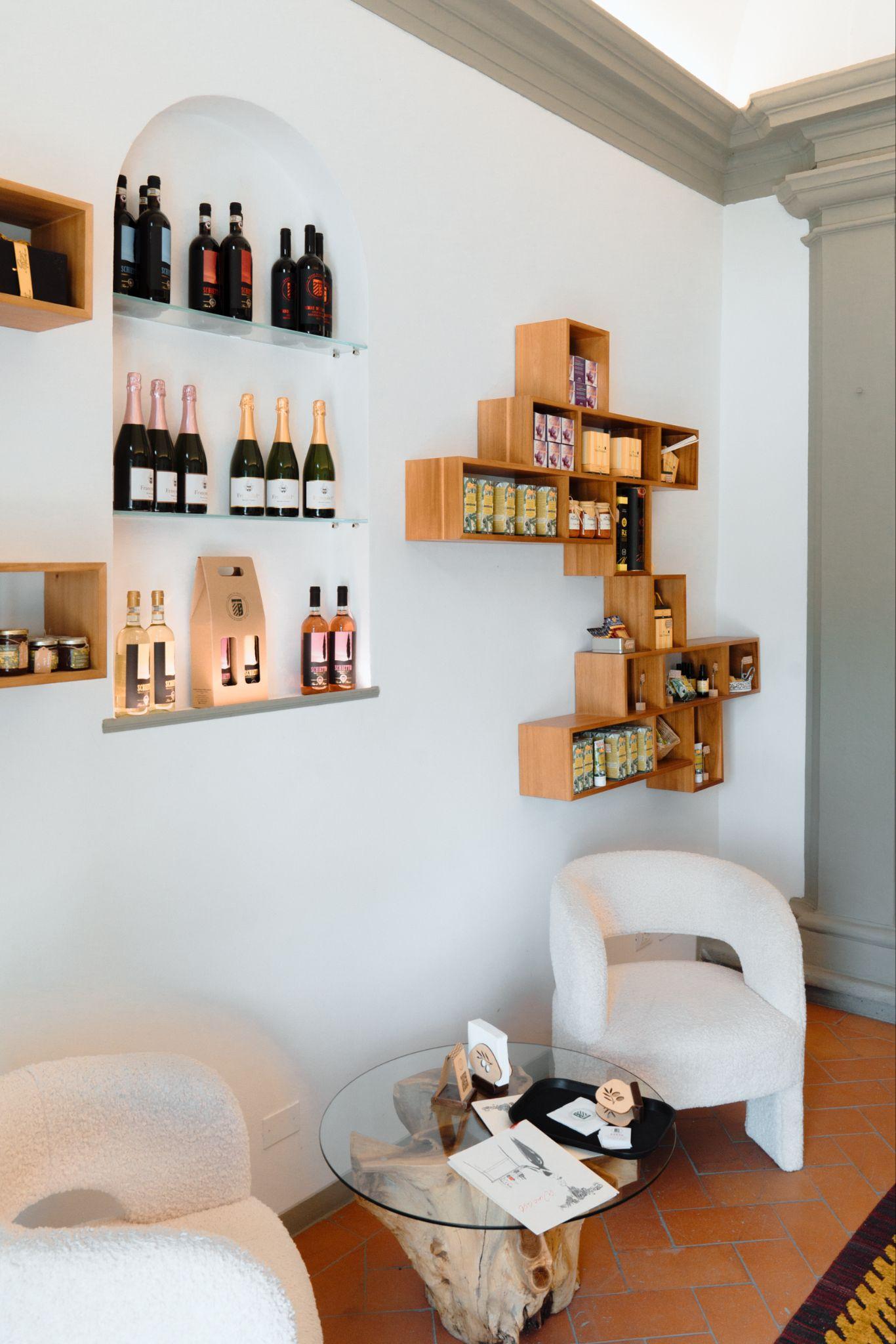
Why collect Tuscan wine
Tuscany offers a rare combination for anyone interested in building a wine collection: real diversity within a single, clearly defined region. Sangiovese, the grape behind most of Tuscany’s famous reds, expresses very differently depending on where it’s grown: structured and food friendly in Chianti Classico, more powerful and built for aging as Brunello di Montalcino. That range means a Tuscan collection can feel genuinely varied without needing to chase bottles from all over the world.
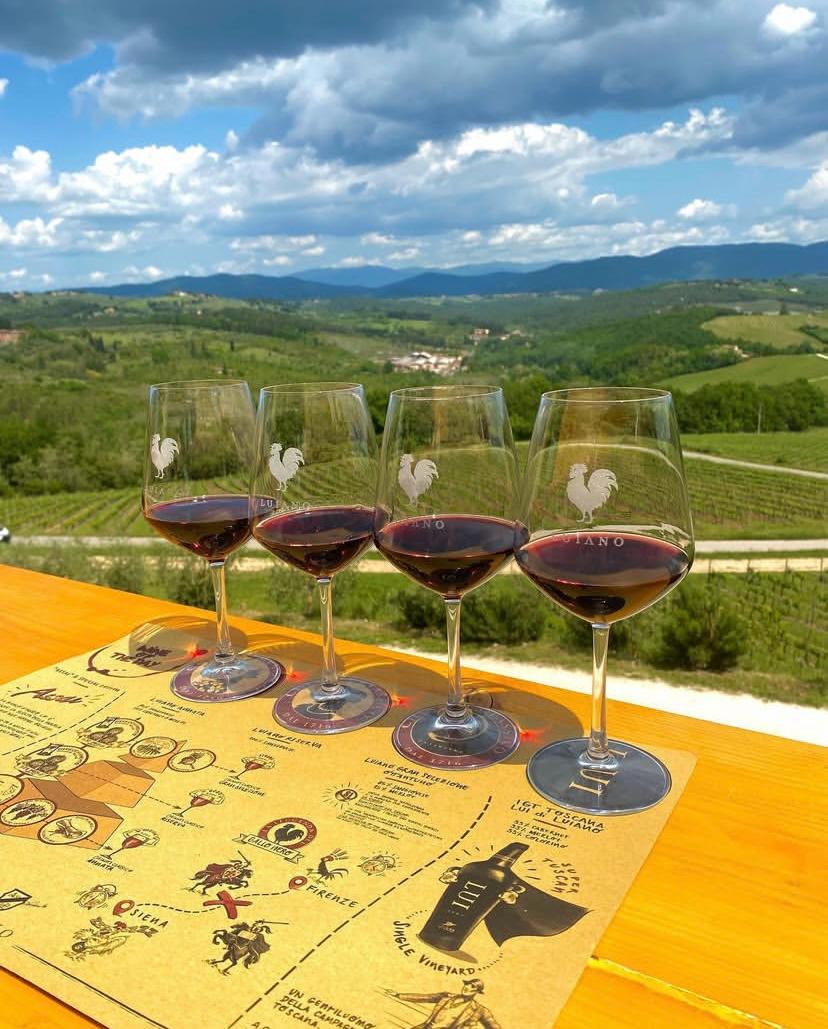
There’s also a personal angle that makes Tuscan wine especially rewarding to collect: many people start after visiting the region itself, tasting a wine at the source and wanting to keep a version of that experience at home. Joining one of our small group wine tours from Florence is an easy way to taste Chianti at the source. Our Tuscan wine guide is a useful starting point if you want more background on the region’s main grape varieties and appellations before choosing your first bottles.
How to start a wine collection: the first bottles
When it comes to Tuscan wines to collect, it’s worth starting with a small, deliberately varied foundation rather than buying many bottles of the same style.
A Chianti Classico
As one of Tuscany’s most recognizable wines, a good Chianti Classico (made primarily from Sangiovese) is a natural starting point: approachable, food friendly, and widely representative of the region’s everyday winemaking tradition.
A Brunello di Montalcino
For a more serious bottle to keep, Brunello di Montalcino, made entirely from Sangiovese (known locally as Brunello), offers a different side of the same grape variety: more structure, more intensity, and generally more potential to improve with time in the bottle.
A Tuscan white
To round things out, a bottle of Vernaccia di San Gimignano, one of the region’s most historic white wines, adds variety and shows that Tuscany’s reputation isn’t only about reds.
Something from a smaller producer
Finally, one bottle from a smaller, family run estate, the kind you’re less likely to find at a large retailer, adds a personal touch of discovery to the collection from the very start. That’s the spirit of the Your Vino Wine Club, where every bottle comes from a small family producer somewhere in Italy.
How to store wine at home
Building a wine collection isn’t just about which bottles you buy: it’s also about keeping them in good condition until you’re ready to open them.
Temperature
Wine is best stored at a consistent, cool temperature, avoiding the swings that come from storing bottles near a kitchen, radiator, or direct sunlight. Stability matters more than hitting one exact number.
Position
Bottles sealed with a cork should generally be stored on their side, keeping the cork moist and preventing it from drying out and letting in air, which can spoil the wine over time.
Light and humidity
Wine should be kept away from direct light, particularly sunlight, and in a space that isn’t overly dry, since a very dry environment can also affect the cork over the long term.
A practical starting setup
You don’t need a dedicated cellar to get started: a cool, dark cupboard, closet, or a small wine fridge is enough for a modest home collection, as long as it stays relatively stable.
Aging vs drinking now
Not every bottle in a collection is meant to be aged, and understanding the difference matters. Many wines, including most everyday Chianti Classico, are made to be enjoyed relatively soon after release, while they’re still fresh and vibrant. Others, like Brunello di Montalcino, are built with aging in mind, often improving in complexity over years in the right storage conditions.
As a general approach when building a wine collection, it helps to think in two categories: bottles you’re genuinely planning to age for a special future occasion, and bottles you’re simply keeping on hand to enjoy over the coming months. Mixing both keeps a collection practical rather than turning into bottles you never actually get around to drinking.
Let a wine club do the work
For many people, the biggest obstacle to building a wine collection isn’t interest: it’s time. Researching producers, tracking down smaller estates, and knowing which vintages are worth seeking out takes real effort, especially from outside the region itself.
This is where a wine club can take over the hardest part: discovery. Instead of researching and sourcing every bottle yourself, a well curated club sends carefully chosen wines directly to your door, with background on the producer and grape variety, so each shipment adds bottles you might never have found on your own. Ours is an Italian club rather than a Tuscan one: our founder Matteo, a Florentine sommelier, selects wines from small family producers, and each box crosses at least three Italian regions, from Sicily to Alto Adige. If you’re unfamiliar with how this kind of membership works in practice, our guide on what a wine club is and how it works covers memberships, shipments, and benefits in detail.
Over time, a subscription like this can bring the variety a collection needs, with your Tuscan bottles as the backbone and native grapes from the rest of Italy around them, without the research and sourcing that building one from scratch usually involves.
Start your Tuscan wine collection today
You don’t need to buy a dozen bottles at once, or commit to serious cellar equipment, to start a Tuscan wine collection. A handful of well chosen bottles, stored with a bit of care, is a genuine starting point, and it’s a collection that can grow naturally over time, whether you’re sourcing bottles yourself or letting a curated shipment widen your horizons.
Ready to give your collection some range? Join our Italian Wine Club and start receiving wines hand picked from small producers across Italy, with the story behind every bottle, delivered straight to your door.
FAQ
How do I start a wine collection with no experience?
Begin with a small, varied selection (a Chianti Classico, a Brunello di Montalcino, and a Tuscan white like Vernaccia di San Gimignano) rather than buying many bottles of the same style.
What are the best Tuscan wines to collect?
Good Tuscan wines to collect include Chianti Classico for everyday drinking, Brunello di Montalcino for bottles to age, and wines from smaller family run estates for variety and discovery.
Do I need a wine cellar to start building a wine collection?
No. A cool, dark cupboard or a small wine fridge is enough for a modest home collection, as long as the temperature stays relatively stable and bottles are kept away from light.
Should I age all the wines in my collection?
Not necessarily. Many wines, like most Chianti Classico, are meant to be enjoyed within a few years of release, while wines like Brunello di Montalcino are better suited to longer aging.
Can a wine club help me build a wine collection?
Yes, especially when it comes to variety. A wine club takes over the research and sourcing, delivering curated bottles on a regular schedule with background on each one. Ours is Italian rather than only Tuscan, so it’s a way to add wines from other regions alongside your Tuscan bottles.
