
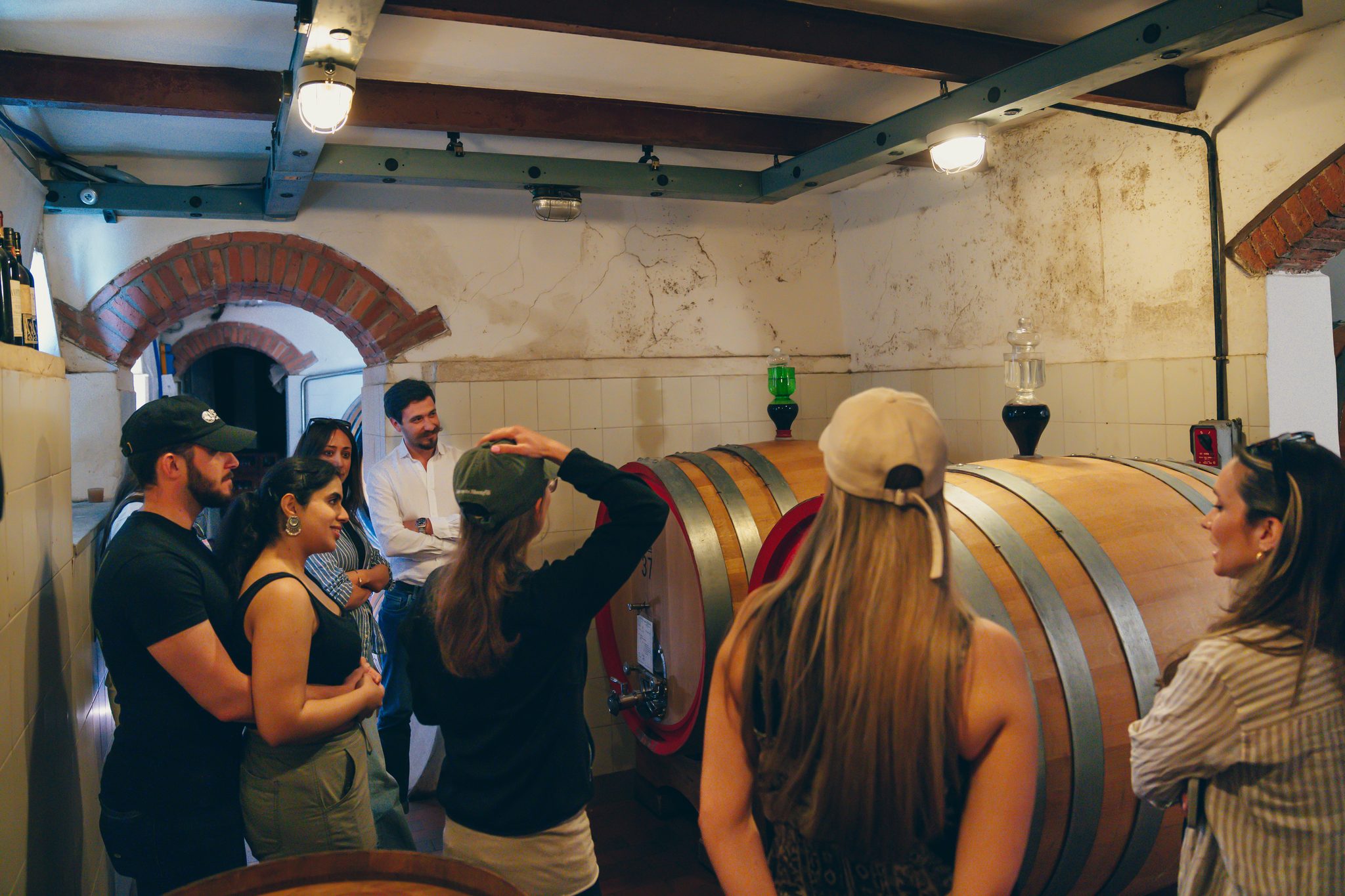
Chianti has more wineries than any single trip could cover, from grand historic estates with centuries of winemaking behind them to tiny family cellars that only open the gate by appointment. Knowing the difference between the two, and what each actually offers, matters far more than any generic list of the best wineries in Chianti you’ll find online. This guide breaks down what makes a winery worth visiting, the two main types you’ll encounter, and how to see them properly on a tour.
What Makes a Great Winery Visit in Chianti
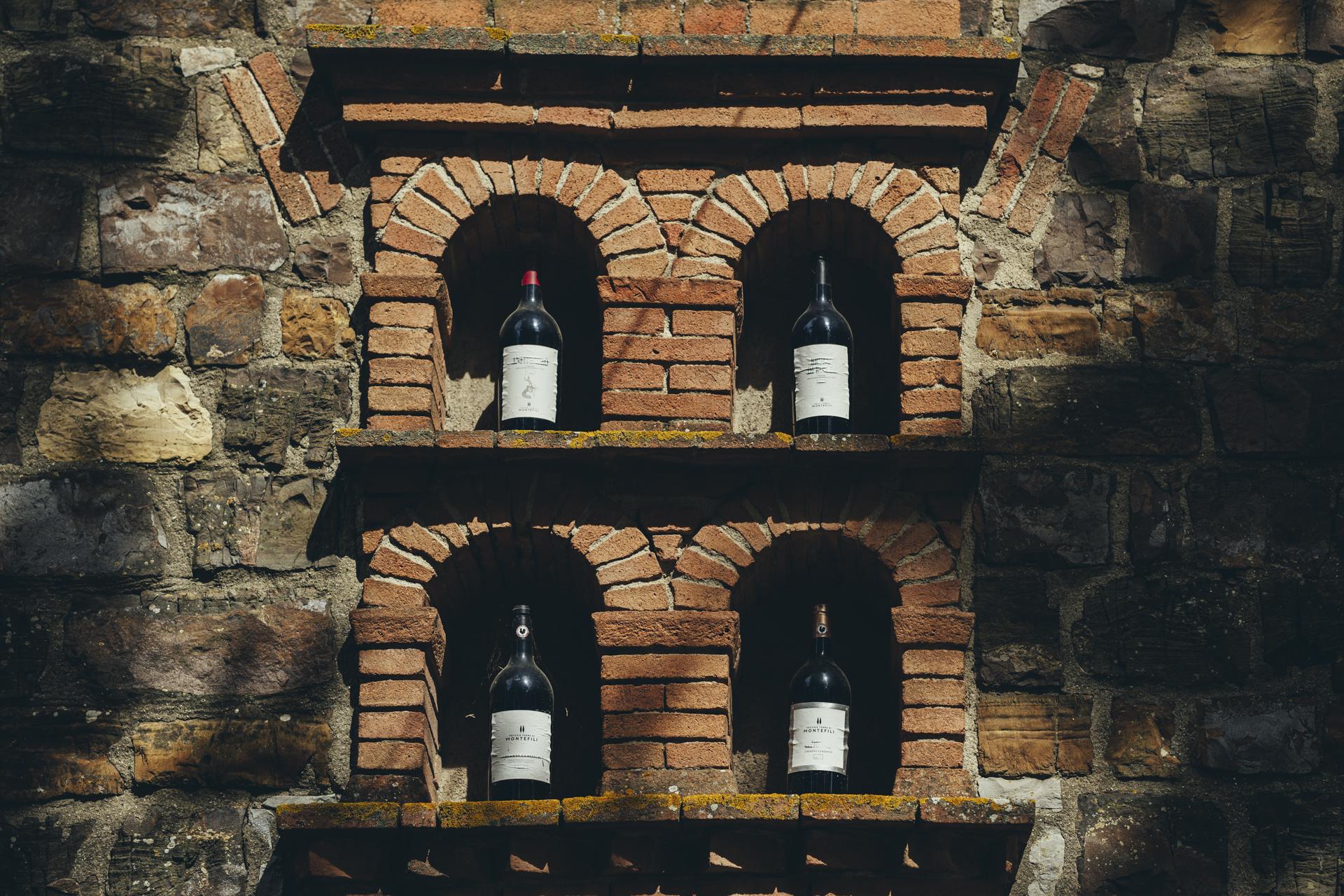
Not every winery visit is built the same. The best ones give you real access: a walk through the actual vineyard rows, a look at the cellar where the wine is fermented and aged, and time with someone, often a family member or the winemaker, who can answer questions rather than recite a script. Setting matters too. Some of the most memorable stops in Chianti are less about scale and more about atmosphere: a terrace looking out over the vines, an old cellar cut into the hillside, or simply the quiet of a working farm rather than a polished tasting room built for tour buses. Pacing is just as important as the winery itself. A rushed half hour stop rarely leaves room for real conversation, while a visit planned with time to spare lets you actually taste slowly, ask questions, and understand what makes that particular hillside different from the one next door. Group size matters too: our small group wine tours never take more than 8 guests.
Historic Estates Among the Best Wineries in Chianti
Chianti’s history is inseparable from a handful of noble families who shaped how the wine is made today.
Castello di Brolio and the Ricasoli Family
Castello di Brolio, seat of the Ricasoli family, is one of the most historically significant estates in the region. In the 19th century, Baron Bettino Ricasoli, who also served as Prime Minister of Italy, developed the original recipe that defined Chianti as a blended wine, a formula that shaped the region’s winemaking for generations afterward. Visiting a property like this means walking through formal gardens and castle grounds as much as a vineyard.
Antinori and Other Noble Houses
The Antinori family is another name closely tied to Tuscan wine, with a winemaking history that stretches back several centuries and continues into some of the most architecturally striking modern wineries in the region today. Estates like these tend to offer a more formal, curated visit, with a wider range of wines to taste and often a restaurant on site.
Small Family Cellars
Away from the grand estates, much of Chianti is still farmed by small, independent producers, many working just a handful of hectares scattered across the hills around Greve, Panzano, Radda, and Castellina. These are the Chianti wineries to visit if what you want is intimacy rather than scale: often it’s the winemaker themselves pouring the tasting, happy to talk through decisions made in that specific vintage, or to explain why they farm one plot differently from another just up the road. The wines can be just as serious as those from a famous estate, even if the label is far less recognizable. Our Afternoon Chianti Escape is built around cellars like these, visiting two boutique family run organic wineries in about five hours.
Book the Afternoon Chianti Escape
Why They’re Worth Seeking Out
Because these cellars rarely have the marketing budget of a historic estate, they’re easy to miss if you’re planning independently. A knowledgeable local guide, rather than a search engine, is usually the difference between finding one of these places and driving past it entirely. Many also produce in far smaller quantities, so the wine you taste in the cellar may never reach a shop shelf at all, which is part of what makes tasting it on site feel worthwhile.
What to Expect at a Tasting
Whether you’re at a grand estate or a small family cellar, the format of a Chianti tasting is fairly consistent.
The Tasting Format
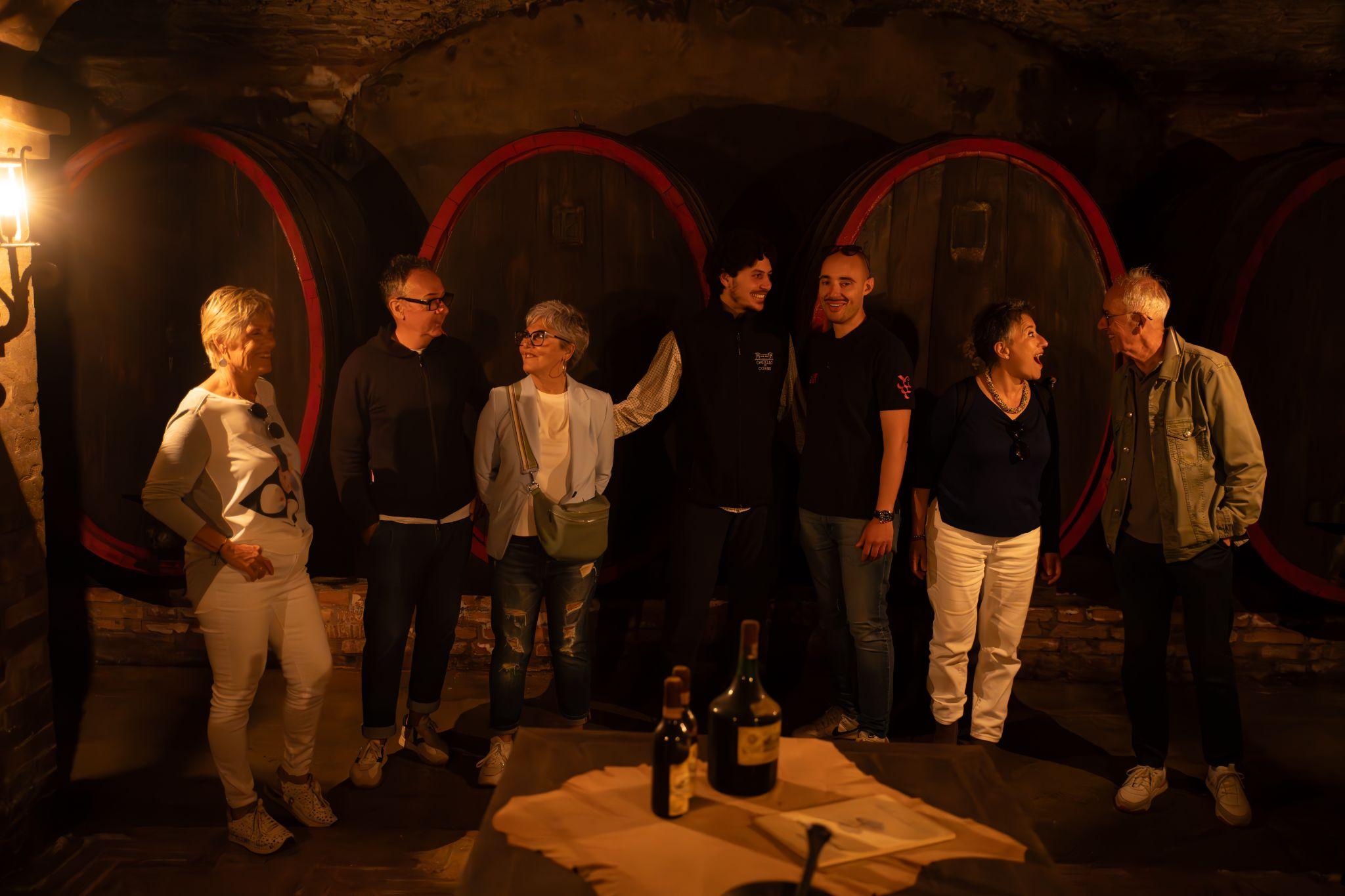
You’ll usually taste three to five wines, moving from lighter, younger styles toward more structured ones. A guide or host will walk you through each pour, pointing out characteristics like acidity, the tartness that makes these wines so good with food, and tannins, the compounds responsible for that slightly drying sensation on your gums. If you’d like to arrive prepared, our beginner’s guide on how to taste wine covers the basics.
Typical Wines Poured
Most tastings center on Chianti Classico, the DOCG wine made with at least 80% Sangiovese, often shown at two levels: a younger Annata and a Riserva aged for a minimum of 24 months for extra depth. Some estates will also pour a Gran Selezione, the top tier of the classification, or a Vin Santo, a sweet dessert wine traditionally served with almond biscotti called cantucci. Many tastings are paired with a small plate of local food, typically cured meats, aged pecorino cheese, or bread with fresh olive oil, so you can see how the wine’s acidity and tannins actually behave alongside something to eat rather than on their own. Our guide to Chianti Classico explained goes deeper into these categories and the label.
How to Visit the Best Wineries in Chianti on a Tour
Because so many of Chianti’s finest cellars, especially the small family ones, only receive visitors by appointment or aren’t easy to find on your own, visiting with a guide is by far the most reliable way to see them. It also means someone else is driving the winding country roads while you enjoy the tasting. If you’re weighing wineries near Florence against a trip further into Chianti, our Tuscany wine tours guide lays out the regional options, our tips on wine tasting near Florence help if you only have a few hours, and our guide to a Chianti wine tour from Florence walks through what a typical day looks like. When you’re ready to book, our Full Day Chianti Tour takes you to three small family run organic wineries in Chianti Classico, with cellar and vineyard visits alongside the producers and a full Tuscan lunch at one of them. Questions before you book? Message us on WhatsApp.
Book the Full Day Chianti Tour
FAQ
What are the best wineries in Chianti to visit?
The best choice depends on what you want: historic estates like those tied to the Ricasoli or Antinori families offer grandeur and history, while small family cellars offer a more personal, intimate visit, often with the winemaker themselves.
Are there good wineries near Florence, or do I need to travel far into Chianti?
Several excellent wineries sit close to Florence, within about an hour’s drive, particularly around Greve in Chianti, making a day trip easy without needing to travel deep into the region.
Can I visit Chianti wineries without a guide?
Some larger estates accept independent visitors with a reservation, but many small family cellars only open by appointment and are hard to find without local knowledge, which is where a guided tour helps.
How many wineries can I realistically visit in one day?
Most unhurried day tours visit two or three wineries, which allows enough time at each for a proper vineyard walk, cellar visit, tasting, and often lunch, without feeling rushed.
What wine will I taste at a Chianti winery?
Expect mostly Chianti Classico, usually shown across a couple of styles such as a young Annata and an aged Riserva, sometimes alongside a Gran Selezione or a sweet Vin Santo.
