
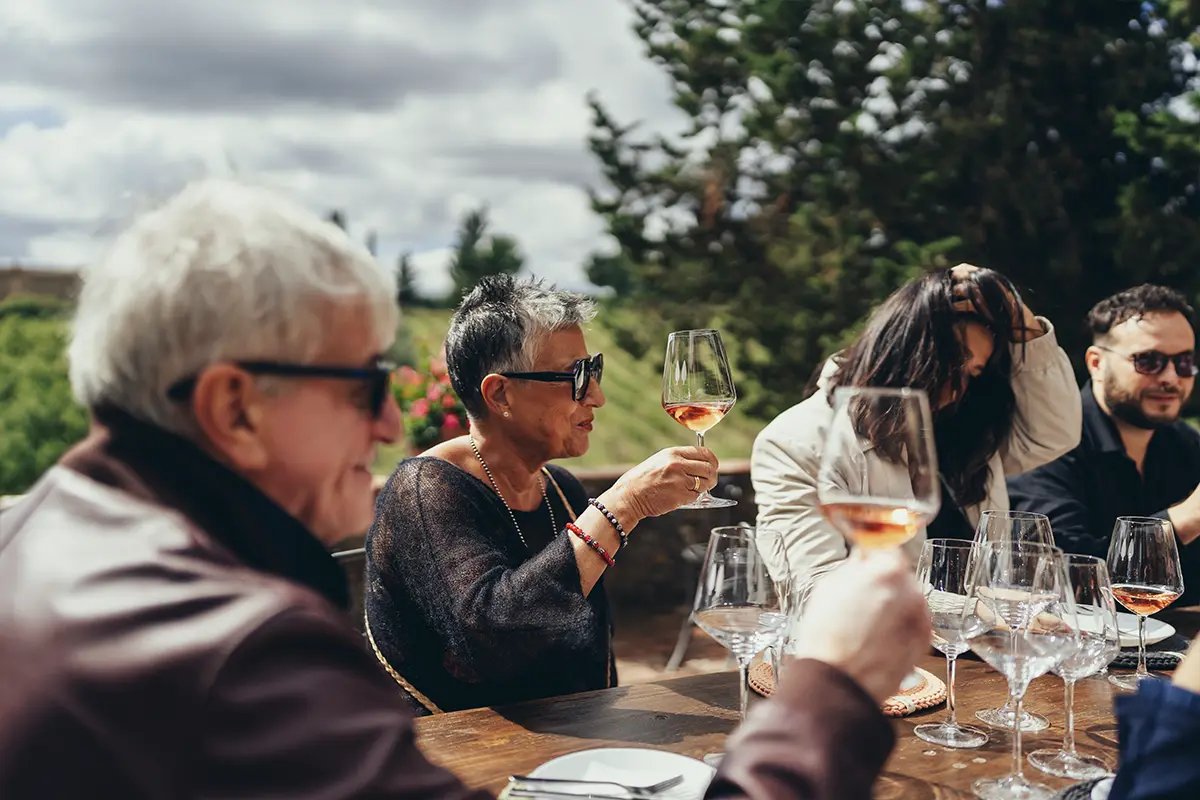
Tuscany is a region built on red wine, so it’s easy to forget it has a white with real history and its own DOCG status: Vernaccia di San Gimignano. Grown around the medieval towers of San Gimignano, west of Siena, this crisp, mineral white has been made in the area for centuries, long before most of Tuscany’s famous reds existed in their modern form. In this guide, we’ll look at where Vernaccia comes from, what it actually tastes like, what to pair it with, and where to taste it properly, in the town that gave it its name.
The History of Vernaccia di San Gimignano
Vernaccia di San Gimignano has documented roots in the area going back to the Middle Ages, and it holds a notable place in Italian wine history: in 1966, it became the very first Italian wine to receive DOC status, the country’s original quality classification system. It was later promoted to DOCG, Italy’s highest tier, in 1993.
The grape itself, also called Vernaccia, is grown almost exclusively around San Gimignano, on hillside vineyards with a mix of clay, sand, and mineral-rich soils. That combination of soil and the area’s breezy hilltop position is a big part of why this san gimignano wine developed such a distinct character, quite different from Tuscany’s coastal or lower-altitude whites. Our private San Gimignano wine tour takes you to taste it where it grows, with an English speaking local guide.
What Vernaccia di San Gimignano Tastes Like
Vernaccia di San Gimignano is a dry white with real personality: crisp acidity, a light-to-medium body, and a distinctive bitter-almond note on the finish that’s become something of a signature for the variety. Aromatically, it tends to show citrus, green apple, and subtle floral notes, often with a faint honeyed quality in riper vintages.
Compared to more neutral Italian whites, Vernaccia has more texture and grip, sometimes described as having a slightly saline or mineral edge, likely a reflection of the area’s soils. Some producers age a portion of their Vernaccia in oak, which adds roundness and body, while others keep it entirely in steel tanks for a fresher, more linear style. Either way, it’s often mentioned among candidates for the best white wine Tuscany produces, precisely because so few other Tuscan whites have this much structure and identity.
Discover the private San Gimignano tour
Food Pairings for Vernaccia di San Gimignano
That crisp acidity and bitter-almond finish make Vernaccia genuinely versatile at the table. It’s a natural match for the region’s seafood and simple antipasti, but it also holds up surprisingly well to some of Tuscany’s more distinctive ingredients.
Classic Pairings
Grilled fish, seafood pasta, and fresh Tuscan cheeses like pecorino fresco all work well, letting the wine’s acidity cut through richness without overwhelming delicate flavors.
Local and Seasonal Matches
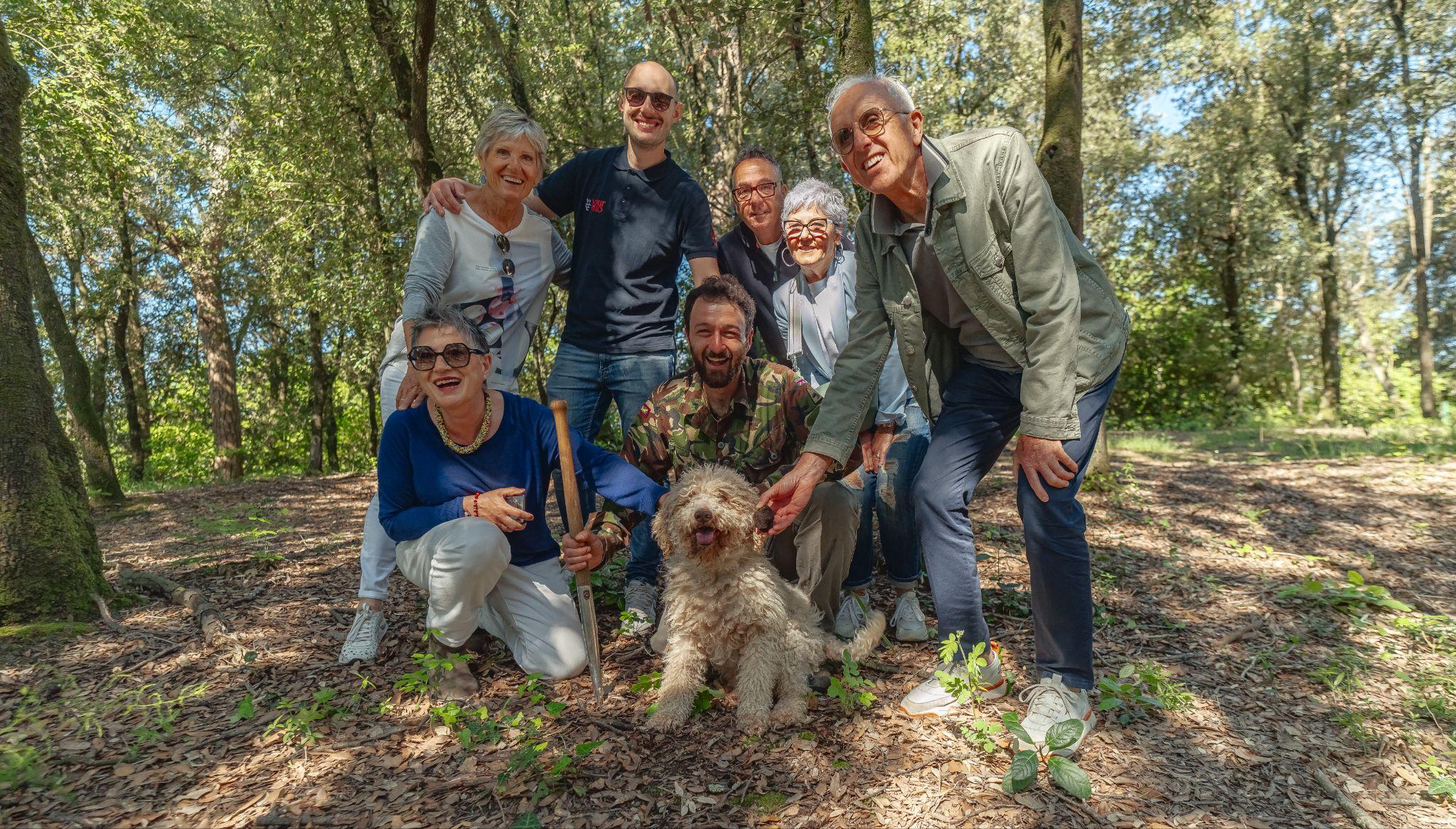
Because San Gimignano sits close to Tuscany’s truffle country, Vernaccia is also a good match for lighter truffle dishes, such as pasta with shaved white or black truffle, where its acidity balances the truffle’s earthy intensity rather than competing with it. If truffle hunting is on your radar during a Tuscany visit, our truffle hunt with a fresh pasta lunch and a San Gimignano walk shows how that experience typically works and where it happens.
San Gimignano and Its Wine
San Gimignano is one of Tuscany’s most recognizable towns, famous for its medieval stone towers that still rise above the surrounding vineyards and olive groves. Vernaccia has been part of the town’s identity for so long that it’s hard to separate the two: the wine and the skyline have essentially grown up together.
The vineyards themselves sit on gently rolling hills just outside the historic center, at elevations that help preserve the grape’s acidity even in warmer vintages. It’s a relatively compact wine zone compared to Chianti Classico or Montalcino, which makes it easy to explore in a focused afternoon rather than a full day. For a broader sense of how San Gimignano fits alongside Tuscany’s other wine areas, our complete guide to Tuscan wine is a helpful starting point.
Where to Taste It
The best place to understand Vernaccia di San Gimignano is, unsurprisingly, in San Gimignano itself. Several producers around the town offer tastings, and many wine bars within the historic center pour a range of local Vernaccia alongside Tuscany’s more familiar reds, making it easy to compare styles side by side.
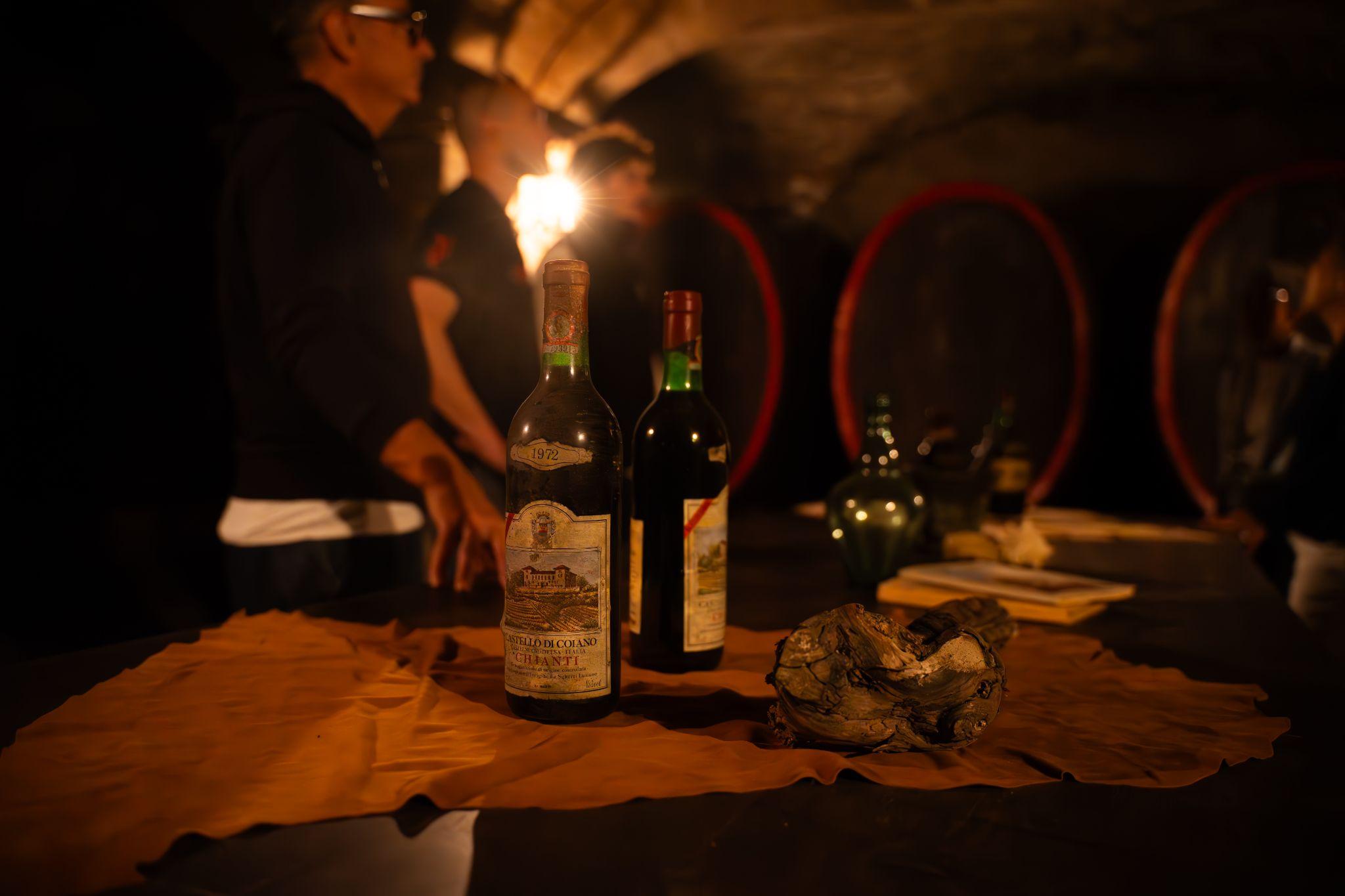
Because the town also sits within reasonable reach of Chianti Classico and other wine areas, it’s a popular stop to combine with a broader day exploring Tuscan wine country, rather than a standalone destination on its own. Our truffle hunt with Leonardo and his dog Aiki is built like this: woods, a family winery, then about an hour in San Gimignano.
Taste Tuscany’s Great White in Person
Reading about bitter-almond finishes and medieval towers only goes so far: Vernaccia di San Gimignano is best understood glass in hand, with the towers visible over the vineyards. Browse our wine tours to find a day that includes San Gimignano and its distinctive white alongside the reds Tuscany is best known for.
Book the truffle and wine tour
FAQ
What makes Vernaccia di San Gimignano different from other Tuscan whites?
It’s one of the few Tuscan whites with real structure and a distinctive character, including a signature bitter-almond finish, thanks to the grape and the specific soils around San Gimignano.
Is Vernaccia di San Gimignano a DOCG wine?
Yes. It was Italy’s first-ever DOC wine, awarded in 1966, and was later elevated to DOCG status in 1993.
What food pairs best with Vernaccia di San Gimignano?
Grilled fish, seafood pasta, fresh pecorino, and lighter truffle dishes all pair well, thanks to the wine’s crisp acidity.
Is Vernaccia di San Gimignano served oaked or unoaked?
Both styles exist. Some producers use oak aging for added roundness, while others keep the wine entirely in steel for a fresher, more linear style.
Can I taste Vernaccia in San Gimignano itself?
Yes, several producers around the town offer tastings, and many wine bars in the historic center pour local Vernaccia alongside other Tuscan wines.
