
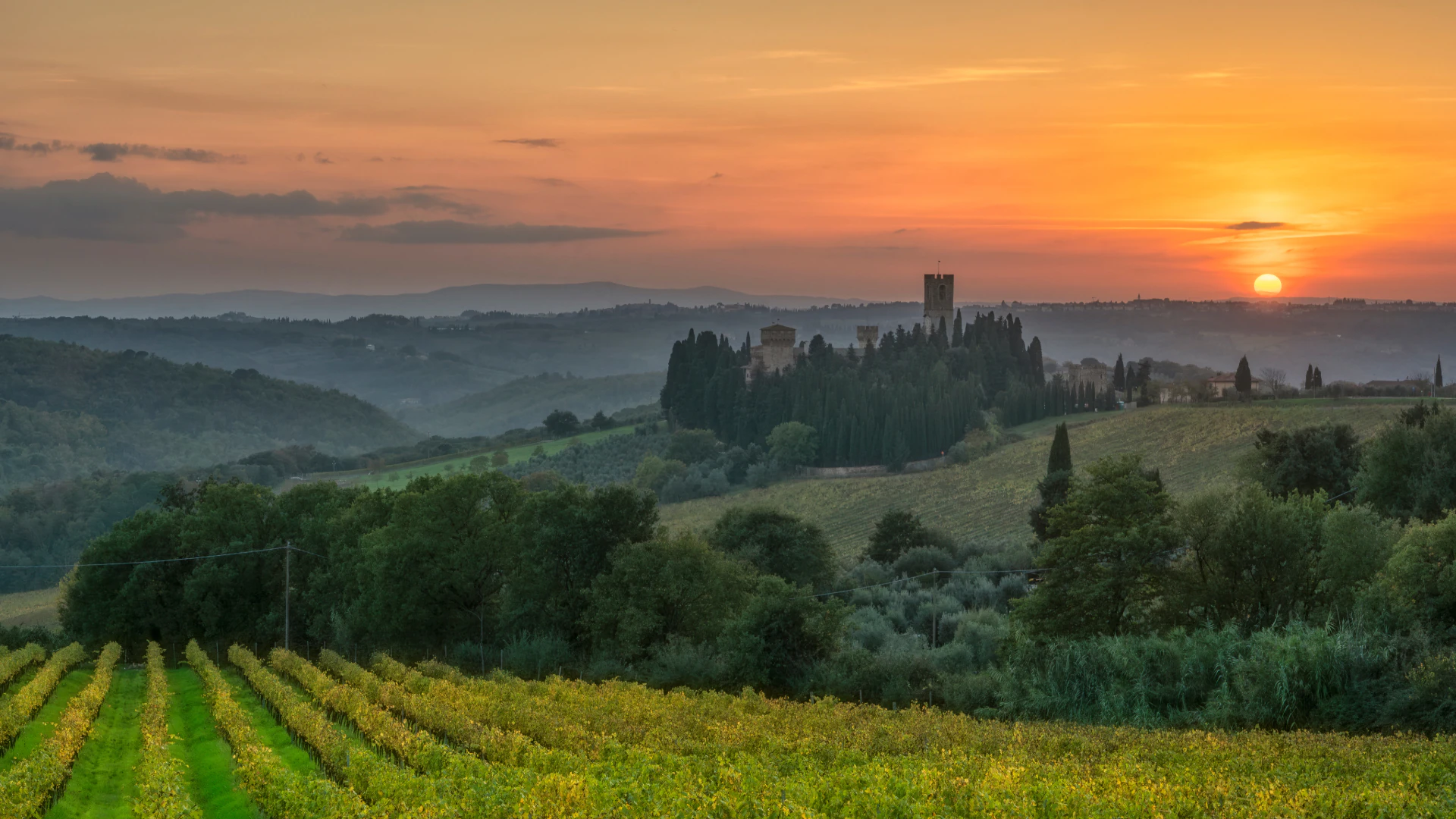
If you’ve ever stood in front of a wine shop shelf in Tuscany, you’ve probably noticed two very similar-looking labels: “Chianti” and “Chianti Classico.” They sound almost identical, but they are not the same wine, and the difference matters more than most people realize. Chianti Classico is the original, historic heart of the Chianti wine region: a smaller, hillier, more tightly regulated zone between Florence and Siena that produces some of Tuscany’s most distinctive reds. In this guide, we’ll walk through where Chianti Classico comes from, what grapes go into the bottle, how to actually read the label when you’re standing at a wine shop or a dinner table, and what sets it apart from its larger, more generic cousin.
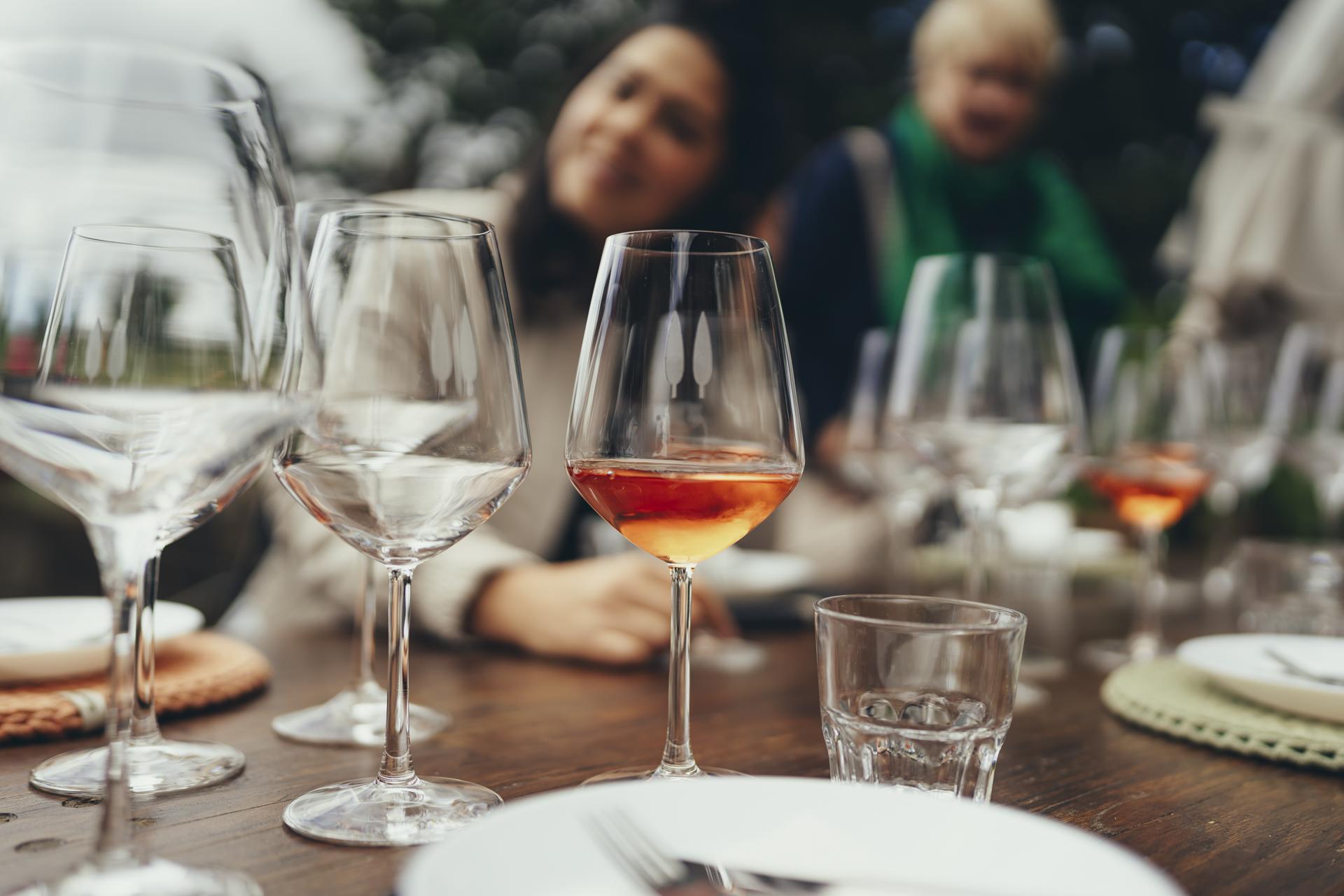
What Is Chianti Classico?
Chianti Classico is a designated wine zone, and a wine, that sits within the broader Chianti area, roughly between Florence and Siena. It covers the towns of Greve in Chianti, Radda in Chianti, Gaiole in Chianti, Castellina in Chianti, and parts of San Casciano Val di Pesa, Tavarnelle Val di Pesa, Barberino Tavarnelle, and Poggibonsi. This is the original core of Chianti production, long before the wider “Chianti” denomination expanded across other parts of Tuscany in the 20th century. For the wider picture of where it sits among the region’s other zones, see our complete guide to Tuscan wine.
The area is defined by rolling hills, altitude that often reaches 250 to 500 meters above sea level, and a patchwork of soil types, from galestro (a crumbly, mineral-rich clay-schist) to more compact alberese limestone. That combination of altitude, soil, and a relatively cool microclimate is a big part of why Chianti Classico wine tends to show more structure, freshness, and aging potential than everyday Chianti from flatter, warmer areas.
Chianti vs Chianti Classico: What’s the Real Difference?
This is one of the most common questions we get on our Tuscan wine tours, and it’s a fair one. The chianti vs chianti classico debate comes down to three things: geography, rules, and quality standards.
Geography
“Chianti” is a broad DOCG denomination that covers a large stretch of central Tuscany, including areas around Florence, Siena, Arezzo, Pisa, and Pistoia. “Chianti Classico” refers only to the original, historic zone described above, roughly 70,000 hectares, of which about 7,000 are planted with vineyards.
Production Rules
Chianti Classico has its own separate DOCG (Denominazione di Origine Controllata e Garantita) status, with stricter requirements than standard Chianti. Grapes must come exclusively from within the Chianti Classico zone, yields per hectare are capped lower, and minimum aging periods are longer, particularly for the Riserva and Gran Selezione categories.
The Black Rooster
Here’s the detail most visitors remember best: every bottle of true Chianti Classico carries the black rooster wine seal, called Gallo Nero in Italian, on the neck of the bottle. This isn’t a decorative flourish. It’s the official mark of the Consorzio Vino Chianti Classico, the body that oversees production standards for the zone, and it’s your quickest visual clue that you’re holding a wine from the historic core rather than the wider Chianti area.
The Grapes Behind Chianti Classico
By law, Chianti Classico must contain a minimum of 80% Sangiovese, and many producers use 100%. Sangiovese is Tuscany’s flagship red grape, known for bright acidity, firm tannins, and flavors that shift between red cherry, plum, dried herbs, and a savory, earthy edge as the wine ages. That combination of acidity and tannin is exactly what gives Chianti Classico its structure and its ability to improve in the bottle. Our small group Full Day Chianti Tour lets you compare how three family run organic wineries in the zone work with Sangiovese.
The remaining percentage can include other approved red varieties, most commonly Canaiolo, Colorino, Merlot, or Cabernet Sauvignon, used in small amounts to add color, softness, or fruit depth. Notably, since 2006, white grape varieties are no longer permitted in Chianti Classico, a change that pushed the wine toward a more concentrated, structured style.
How to Read a Chianti Classico Label
Reading an Italian wine label can feel intimidating at first, but Chianti Classico labels follow a fairly consistent pattern once you know what to look for. Here are the essentials specific to this wine.
The Three Tiers
Chianti Classico is produced in three quality tiers, and the label will tell you which one you’re holding:
- Chianti Classico DOCG: the entry-level tier, aged at least 12 months, released the year after harvest.
- Chianti Classico Riserva: aged at least 24 months, including at least 3 months in bottle, generally from riper, more selected fruit.
- Chianti Classico Gran Selezione: the top tier, introduced in 2014, made only from estate-grown grapes and aged at least 30 months.
What Else to Look For
Beyond the tier, check for the DOCG designation itself (confirming it meets the legal standards for the zone), the vintage year, the producer’s name, and the black rooster seal. Some labels also list the specific commune (like Panzano or Radda) where the grapes were grown, which can hint at style: Panzano tends toward riper, fuller wines, while Radda and Gaiole, at higher altitude, often produce more elegant, structured versions.
Why the Zone Shapes the Wine
Because Chianti Classico spans several communes with different elevations and soils, even wines from the same tier can taste noticeably different depending on where they’re grown. This is part of what makes tasting your way across the region so rewarding: a Sangiovese from Castellina can be quite different from one grown a short drive away in Gaiole. It’s also why so many visitors prefer to taste on location, at the actual estates, rather than relying on a shop shelf alone.
Taste It Where It’s Made
Reading about zones, tiers, and the black rooster is one thing: tasting the differences yourself, in the vineyards where the grapes actually grow, is another. If you want to see this landscape and taste through several styles of Chianti Classico wine with a local guide, join our full-day wine tour through Chianti, where we visit family-run estates across the historic zone. Prefer to keep exploring from home? Our Wine Club ships wines from small family producers across Italy straight to your door, and a good Chianti Classico can be part of the box, so you can keep discovering one glass at a time.

Book the Full Day Chianti Tour
FAQ
Is Chianti Classico always better than regular Chianti?
Not automatically, but the stricter rules (lower yields, higher minimum Sangiovese content, longer aging) generally push quality upward. Plenty of excellent regular Chianti exists, but Chianti Classico tends to offer more consistency and aging potential.
What does the black rooster symbol mean?
It’s the official seal of the Consorzio Vino Chianti Classico, found only on bottles from the historic Chianti Classico zone. It’s a quick way to confirm you’re buying true Chianti Classico rather than standard Chianti.
Can Chianti Classico age well?
Yes, especially Riserva and Gran Selezione bottlings. Thanks to Sangiovese’s natural acidity and tannin structure, well-made Chianti Classico can develop positively for a decade or more in good vintages.
What food pairs best with Chianti Classico?
Its acidity and tannin make it a natural match for Tuscan classics like bistecca alla fiorentina, wild boar ragù, aged pecorino, and tomato-based pasta dishes.
Do I need to visit Tuscany to try authentic Chianti Classico?
It helps, but it’s not required. Visiting the zone lets you taste side by side across communes and producers, but a curated selection like the one in our Wine Club, which ranges across Italy and can include Chianti Classico, is a good way to keep exploring from home.
